
From Golf Balls to Quality Control: Smarter Monitoring for Potato Processing
13. May 2026 - In industrial potato processing, even unexpected foreign objects can disrupt production and impact product quality. As part of the PiCon research project, ELEA Technology is developing an innovative AI-based monitoring system that uses sound and vibration signals to detect both process disturbances and PEF treatment effectiveness in real time.
Unexpected Challenges in Potato Processing
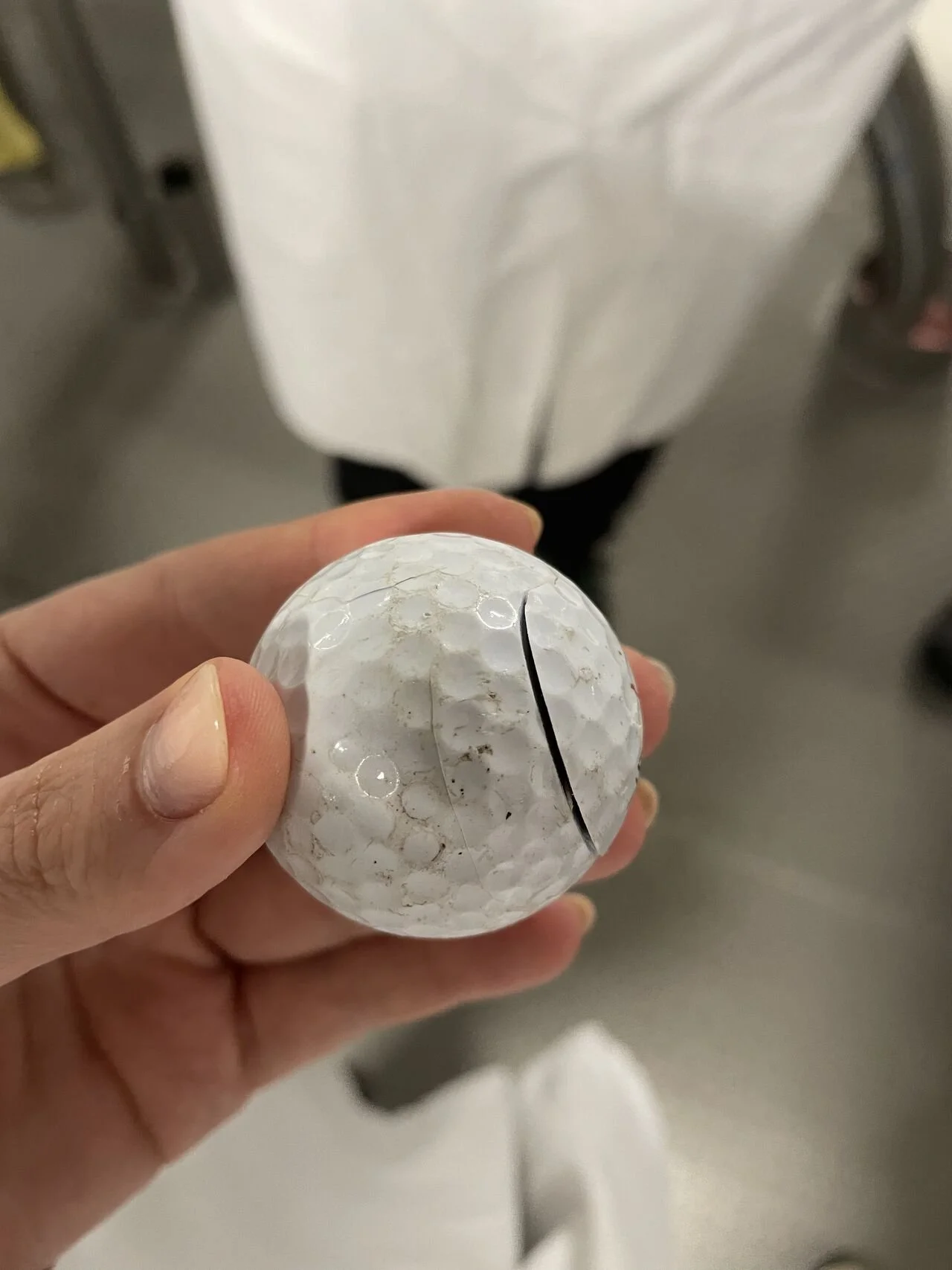
While stones and branches are well-known contaminants in potato processing, other foreign objects can also find their way into production lines. For example, golf balls from neighboring golf courses can occasionally be harvested along with potatoes. When such objects enter the cutting system, they can become lodged in equipment, causing machine stoppages and costly production interruptions.
AI-Based Monitoring with the PiCon
To address these challenges, ELEA Technology is working on the PiCon project, which focuses on developing an intelligent inline monitoring solution. By analyzing sound and vibration signals during the cutting process, the system can automatically identify abnormalities and detect disturbances.
In addition to identifying foreign objects and process disruptions, the AI-based system is designed to monitor the effectiveness of Pulsed Electric Field (PEF) treatment in real time. This data-driven approach enables more precise quality control, helping processors optimize production, improve process reliability, and ensure consistent product quality.
By combining artificial intelligence with advanced process monitoring, the PiCon project demonstrates how digital technologies can contribute to more efficient, and more transparent food production. The project represents another step forward in ELEA's commitment to innovation and continuous improvement in industrial potato processing.